What Causes a Fridge to Leak Water Indoors?
When homeowners in Surrey notice water pooling under or inside their fridge, it can be both frustrating and alarming. But, most importantly, the issue is usually not as complicated as it may seem. One of the most common causes is a blocked defrost drain line. This small but essential tube allows condensation and defrost water to exit into a drain pan underneath the unit. However, when it becomes clogged, water backs up and leaks onto the floor.
In addition, other factors can contribute to leakage. For instance, a cracked water filter housing or faulty inlet valve can lead to external drips. That is to say, while the defrost drain is a frequent suspect, it is always smart to check the full water system inside the fridge. Regular inspection helps prevent larger problems.
How to Know if the Defrost Drain is Clogged
Most fridges today are frost-free, meaning they defrost automatically. Therefore, when the ice melts during defrost cycles, the water is meant to flow through the drain tube and collect in a tray. If that tube becomes blocked with ice or debris, the melted water has nowhere to go. Consequently, it starts leaking internally or pooling near the vegetable drawers.
We’ve seen this happen often during periods of high humidity. For instance, when doors are opened frequently, warm air causes more condensation, which leads to more frequent defrost cycles. That is to say, any disruption in the drainage system under such conditions becomes quickly visible. Signs to watch include small puddles in the fridge bottom, wet food containers, and visible ice buildup around the drain area.
Safe Methods to Unblock the Drain Line at Home
The good news is that clearing a blocked defrost drain is usually simple if addressed early. Firstly, we suggest unplugging the fridge and removing all items from the bottom shelf. After that, locate the small hole or trough typically found beneath the crisper drawers. Using warm (not boiling) water in a turkey baster or squeeze bottle, you can gently flush the line. This process helps melt ice buildup or dislodge food particles stuck in the path.
However, if water remains or backs up again shortly after, the blockage may be deeper. In that case, it’s safer to call in an expert for full disassembly. That is especially true when dealing with older fridge models where plastic parts may become brittle. In such cases, even a small mistake can crack components and increase repair complexity.
Other Components That Might Be Contributing to Leaks
While the drain line is a usual suspect, it’s not the only part to examine. Some leaks originate from the ice maker system. For example, if the water supply line to the ice maker is loose or split, you may notice water dripping at the back of the unit. Similarly, if the water filter was recently replaced, the housing may be seated incorrectly.
Furthermore, we sometimes encounter fridges where the drain pan underneath is damaged or misplaced. This pan collects condensation and slowly evaporates. So, if it is cracked or knocked out of position, water might leak directly onto your floor. In short, you need to look at both internal and external components to ensure nothing is missed.
How We Diagnose Fridge Leaks Professionally
When we arrive at a Surrey home for a fridge leak issue, our first step is to listen. That is to say, we ask about the symptoms, timing, and any recent maintenance. After that, our team runs through a complete checklist of water-related components. This includes testing the defrost cycle, checking the heater, inspecting the drain line, and confirming water flow through all connections.
To clarify, not every leak is caused by a blockage. In some cases, the fridge isn’t level, and condensation drips toward the front rather than into the pan. For instance, if a fridge tilts forward even slightly, water may escape over the edge. Therefore, we always use a level tool to check the unit’s alignment before diving into deeper repairs.
Importance of Timely Action to Prevent Floor Damage
Ignoring a leaking fridge, even for a few days, can have consequences. In addition, hardwood or laminate floors can warp with repeated exposure to water. That is to say, water damage from a fridge leak can become costly if it affects your subfloor or causes mold behind cabinetry. We’ve seen this in several Surrey kitchens where damage extended well beyond the appliance itself.
For example, in one home we serviced, a persistent leak from the ice maker water line had soaked into the back wall insulation. As a result, it required not only appliance repair but also drywall replacement. Above all, quick action can prevent a minor issue from turning into a renovation project.
When the Leak Isn’t from the Fridge at All
Sometimes, the leak seems to come from the fridge, but the appliance isn’t at fault. For instance, we’ve arrived at homes where water from a nearby sink pipe had seeped under the fridge and gone unnoticed. Likewise, a dishwasher next to the fridge may have a leaky hose, causing moisture to collect under both appliances. Therefore, ruling out other kitchen systems is part of our standard approach.
Most importantly, addressing the right issue saves time and effort. That is why we always check the surrounding area before beginning fridge disassembly. Moreover, early detection of external sources can save money and reduce disruption in your kitchen.
Preventing Future Drain Blockages in Your Fridge
The best way to prevent future drain clogs is through simple maintenance. Firstly, always store food in sealed containers. This limits debris buildup inside the fridge and keeps the drainage area clean. Secondly, we recommend checking the drain channel every few months. Wipe away any residue or mildew before it becomes a blockage.
Likewise, if you suspect a slow drain, flush it gently with warm water and a bit of baking soda. This keeps the path clear without using harsh chemicals. To clarify, chemical drain cleaners should never be used inside a fridge, as they can damage parts and leave behind harmful residues near your food.
Replacing a Damaged Drain Line
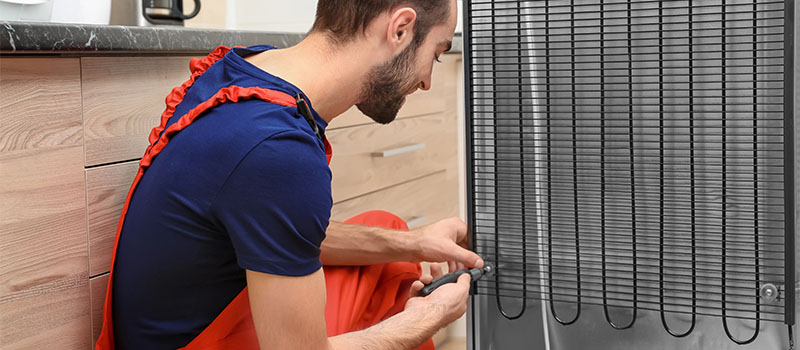
In some cases, the blockage may be due to a damaged or cracked drain tube. That is to say, the material can become brittle over time, especially in older fridges. If flushing the line doesn’t work and leaks return, replacement might be necessary. This typically involves removing the back panel inside the freezer and accessing the rear of the fridge to pull out the old line.
Our team has seen situations where previous DIY fixes with tape or sealant only made things worse. Therefore, if you’re unsure about the condition of the tube or the best method to install a new one, it’s better to let professionals handle the job. We’ve done this type of repair safely and efficiently in many Surrey homes.
Electrical Safety and Water Leaks
One concern that often gets overlooked is the combination of electricity and water. Even though fridge leaks might seem harmless, they pose a serious risk if they reach electrical components. For example, a steady drip onto a power cord or compressor relay can result in a short circuit. In other words, water near any powered element increases the chance of electric shock or fire.
Therefore, as soon as you notice water collecting under or near your fridge, it’s best to unplug it until a technician can inspect the situation. That small step can protect your home and family. Most importantly, always dry the floor fully before plugging the unit back in.
When to Involve an Appliance Repair Specialist
If basic methods like flushing the drain or leveling the fridge don’t stop the leak, it’s time to get help. We often handle cases where homeowners have tried several quick fixes without long-term success. That is to say, the source of the leak might be less obvious, such as a faulty thermostat triggering too many defrost cycles or a defective door seal.
You can find more about professional appliance repair services in Surrey if you’re dealing with repeated fridge leak issues. In addition, a technician can run diagnostic tests that go beyond visual checks. For instance, we use tools to test heating elements, sensor accuracy, and water valve response, ensuring a proper fix.
Common Mistakes Homeowners Make When Fixing Leaks
It’s natural to want to solve a fridge leak quickly, but some common actions can make the issue worse. For instance, poking at the drain line with sharp objects may puncture or widen it, causing long-term issues. Likewise, removing freezer panels without understanding how they’re secured can lead to broken tabs or damaged wires.
In other cases, homeowners attempt to tilt the fridge on their own, which can be dangerous and lead to compressor oil shifting inappropriately. Above all, appliance repair is not only about identifying the issue but also knowing how to resolve it without creating new ones. When in doubt, it’s always safer to contact an experienced fridge technician.
FAQs
What causes a fridge drain line to become blocked?
Over time, small food particles, grease, and ice can build up inside the defrost drain tube. This clogs the narrow path, causing water to overflow into the fridge.
Is a leaking fridge always caused by the drain line?
No, while the drain line is a common issue, leaks can also result from ice maker connections, cracked water filter housings, or even a tilted appliance base.
Can I use a chemical drain cleaner in my fridge’s drain line?
No, chemical cleaners are not food-safe and can damage the internal plastic components of your fridge. Warm water and baking soda are safer options.
How often should I check or clean the fridge’s drain line?
We recommend checking every 3 to 6 months. Regular cleaning helps prevent clogs, especially in humid environments or busy households.
Is it safe to keep using a leaking fridge?
It’s best to stop using the appliance if water is pooling underneath, as it may lead to electrical hazards or floor damage. Unplug and seek inspection promptly.
At JAY Appliance Repair, we’ve helped many Surrey residents fix persistent leaks quickly and safely. Above all, your fridge should serve your kitchen without causing headaches.