
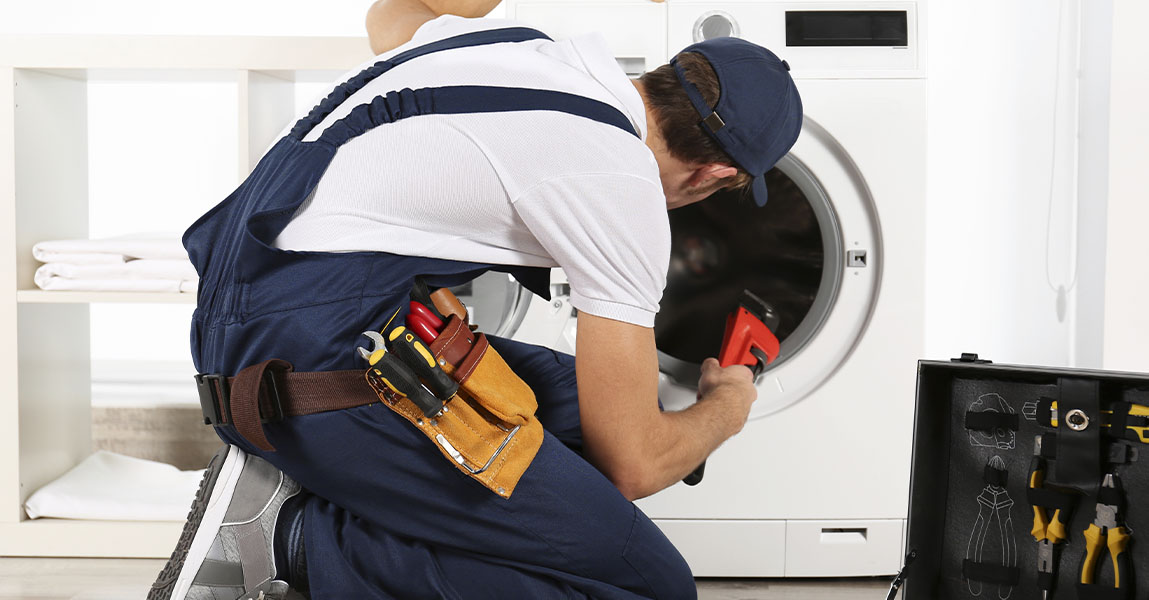
When a washer stops spinning properly, it can throw off your entire laundry routine. Clothes stay wet, cycles take longer, and energy bills climb. The issue might seem simple at first glance, but several parts of the machine work together during the spin cycle. Understanding what’s behind the problem helps you decide whether it’s something you can handle or something best left to professionals.
Checking the Load Balance
Before thinking about parts or repairs, we always look at the load itself. An unbalanced load is one of the most common reasons a washer fails to spin correctly. When too many heavy items like towels or blankets pile on one side, the drum becomes uneven and can’t reach full speed. Modern washers try to rebalance automatically, but if the imbalance is too severe, they slow down or stop spinning altogether to prevent damage.
We recommend redistributing the load evenly, mixing heavier and lighter fabrics. If you’re washing a single heavy blanket, toss in a few smaller items to balance the weight. A simple fix like this often restores normal spinning without any tools or parts.
The Role of the Lid or Door Switch
Every washer includes a safety mechanism that detects whether the lid or door is securely closed. If this switch fails, the machine won’t spin, even if everything else works fine. For top-load washers, you can test this by listening for a faint click when you close the lid. For front-loaders, check that the door latch feels tight and that no debris blocks it.
If the switch doesn’t click or feels loose, it might need cleaning or replacement. These switches are small but critical, and over time, repeated use or moisture can cause them to malfunction. While replacing a lid switch isn’t complex, it’s important to unplug the washer before attempting any inspection.
Drive Belt Wear and Slippage
A worn drive belt is another likely cause when the washer drum spins slowly or inconsistently. The belt connects the motor to the drum and creates the force needed to spin. Over time, the belt can stretch, glaze, or slip.
You might notice a rubber smell or hear a squealing sound if the belt is the problem. When this happens, the motor runs but the drum doesn’t move at full strength. If the belt looks cracked or shiny, replacement is the best solution. Some modern washers use direct-drive systems that don’t rely on belts, but for those that do, regular inspection prevents bigger failures.
Problems with the Drive Motor
If the washer refuses to spin at all, even when empty, the drive motor could be the issue. Motors wear down after years of use, especially in households where the washer runs daily. A failing motor can make humming or grinding noises or may not start at all.
Testing a motor involves checking for continuity with a multimeter, something most homeowners don’t usually do themselves. If you’ve ruled out easier causes and the drum still won’t turn, it’s time to have it checked by a professional who understands how to diagnose motor and capacitor problems safely.
Clogged or Faulty Drain Pump
A washer won’t spin properly if it can’t drain water fast enough. The drain pump removes water before the spin cycle begins, and if it’s clogged with lint, coins, or small fabric pieces, water stays in the drum. The machine senses the extra weight and stops spinning to protect the motor.
You can check for visible blockages by removing the drain hose and inspecting it for buildup. Cleaning out small obstructions often helps. If the pump hums but doesn’t move water, it might be jammed or burned out. When that happens, it’s best to have it replaced rather than repaired.
Faulty Motor Coupling or Clutch Assembly
Washers that still agitate but refuse to spin may have a broken motor coupling or clutch assembly. The motor coupling links the motor to the transmission, and when it wears out, the machine loses its ability to transfer motion. Similarly, the clutch assembly controls the drum’s spin speed.
If your washer makes a loud clicking sound or spins erratically, these components may be slipping. Replacing them requires disassembly of the washer’s cabinet, which is best handled by a trained technician. Attempting this without experience risks damaging wiring or misaligning parts.
Control Board or Timer Malfunctions
Electronic control boards and mechanical timers coordinate every cycle. When they malfunction, the washer may drain but never transition to the spin phase. Power surges or moisture exposure can cause relays or resistors on the board to fail.
To confirm whether this is the problem, observe whether other functions work correctly. If the washer fills and drains normally but stops before spinning, the issue may lie in the timing control. In newer models, a diagnostic mode can reveal error codes that point to this problem. Resetting the washer by unplugging it for a few minutes sometimes clears temporary glitches, but consistent failures call for replacement.
When Bearings Begin to Fail
Bearings allow the drum to rotate smoothly. When they wear out, you’ll hear a deep rumbling or grinding sound during spin cycles. Ignoring this noise leads to further damage, as the vibration can strain other components.
Replacing drum bearings is one of the more labor-intensive repairs and usually not something homeowners do on their own. If you notice increased noise or shaking, it’s best to stop using the washer until it’s inspected. Prolonged use with bad bearings can destroy the outer tub, turning a manageable fix into a costly repair.
The Importance of Regular Maintenance
Most spin-related problems develop slowly. Regular maintenance can prevent many of them. We recommend cleaning the washer drum monthly, removing lint from the drain filter, and keeping the machine level. When a washer is uneven, it can trigger repeated imbalance errors and put extra stress on the suspension springs and shock absorbers.
Keeping hoses clear and ensuring proper drainage also supports smooth spinning. Every six months, check the drain hose and pump filter for buildup. These small steps help your washer perform efficiently for years and reduce the risk of spin issues.
How We Approach Washer Problems
In our experience providing appliance repair services in Surrey, most customers contact us after trying the basic fixes and realizing the problem is more than just an unbalanced load. We start by checking the simple causes first, such as the door latch, load balance, and drain function, before moving to electrical or motor components.
This approach saves time and prevents unnecessary part replacements. Often, what seems like a major malfunction is just a clogged filter or a worn belt. Still, when internal electrical issues arise, professional repair becomes the safest option.
When to Seek Professional Help
You can handle light troubleshooting, like rebalancing a load or cleaning the drain filter. But when a washer continues to skip the spin cycle or produces burning smells, you should avoid repeated restarts. Electrical and mechanical components inside the washer work under high stress and can pose risks if mishandled.
A technician with experience in washer systems can test circuits and replace parts with precision. Getting the problem diagnosed early also prevents chain reactions that can affect other parts of the machine. If the washer is still under warranty, professional repair might even be required to keep coverage valid.
Practical Tip Most People Miss
Many homeowners overlook the effect of water hardness on washing performance. Hard water leaves mineral deposits that build up on drum bearings, hoses, and pump components. Over time, this increases friction and resistance during spinning. Installing a small in-line water softener can extend your washer’s lifespan and help it spin more freely.
This is one of those quiet issues that doesn’t cause an immediate breakdown but contributes to long-term wear. We’ve seen machines fail earlier simply because the minerals slowed water flow and stressed the pump. Paying attention to water quality helps avoid future spin problems.
Preventing Future Spin Issues
To avoid repeat problems, always run smaller, balanced loads and choose the correct spin speed for your fabric type. Regularly check for loose coins or small items before washing, as they can jam the drain pump or motor.
Once every few months, run a maintenance cycle with hot water and vinegar or a washer cleaner to remove soap scum. This keeps sensors and drain paths clean, allowing the washer to detect water levels accurately. The goal is to maintain consistent performance instead of waiting for something to break.
Clear Signs You Need a Technician
Sometimes the signs are too clear to ignore. A washer that shakes violently even when balanced, fails to drain at all, or stops mid-cycle indicates deeper trouble. Similarly, if you smell burning rubber or hear grinding, it’s time to stop using the machine until it’s inspected. These symptoms often point to internal parts like bearings, belts, or the motor itself.
Quick action prevents more serious damage and reduces costs. When in doubt, scheduling a diagnostic visit provides clarity. It’s better to identify a minor issue early than to replace an entire washer later.
Why Ignoring Spin Issues Costs More
Letting a washer run with poor spinning leads to more than damp clothes. It strains the suspension, motor, and even your dryer, since wetter clothes require longer drying times. This wastes energy and can shorten the life of both appliances.
Fixing a spin issue promptly keeps everything working efficiently. It’s not just about getting laundry done faster; it’s about protecting the entire system from unnecessary wear.
Call to Action
If your washer keeps stopping short of a full spin or you’re unsure what’s causing it, it’s time to get a professional opinion. You can schedule reliable help today by visiting our contact us page. A trained technician can inspect, diagnose, and restore proper function quickly and safely.
FAQ
Why does my washer stop spinning mid-cycle?
It often happens when the load is unbalanced or the washer cannot drain properly. Checking the drain filter and redistributing the clothes can help.
Can overloading cause my washer not to spin?
Yes. Overloading puts too much weight on the drum, making it hard to reach full spin speed. It’s better to wash two moderate loads instead of one heavy one.
Why are my clothes still soaking wet after the spin cycle?
If the washer completes the cycle but clothes remain wet, the drain pump or motor coupling may be worn. It could also be a control issue.
Is it safe to open the washer during the spin cycle?
No. Always wait until the washer stops completely. Opening it mid-spin can interrupt sensors and cause mechanical stress.
When should I replace my washer instead of repairing it?
If the washer is more than ten years old and needs a major repair like a motor or bearing replacement, replacement might be more cost-effective. Newer models are often more efficient and quieter.